

Table of contents
As women approach menopause, they often face a range of physical and emotional challenges, including hot flashes, mood changes, and sleep disturbances. Natural remedies like black cohosh, ashwagandha, and shatavari are gaining popularity for their potential in easing these symptoms. This article explores the benefits, mechanisms, and clinical support for these herbs, helping women aged 50–60 navigate this transitional phase with confidence and ease.
Understanding Black Cohosh in Menopause Relief

Black cohosh has a long-standing history in herbal medicine, particularly for menopausal symptom relief. Unlike traditional hormone replacement therapies, black cohosh doesn't act through estrogenic pathways. Instead, researchers suggest it works as a neuromodulator in the central nervous system, potentially influencing serotonergic and dopaminergic pathways to help alleviate symptoms like hot flashes and mood swings. It may impact thermoregulatory centers in the hypothalamus, similar to how SSRIs and SNRIs work in reducing hot flashes[1].
Results from clinical trials have been mixed. A double-blind randomized trial reported significant reductions inmenopausal symptoms, notably improving sleep and emotional well-being. However, other well-structured studies show modest or no differences between black cohosh and placebo[2]. Meta-analyses have found benefits primarily for early postmenopausal women when using standardized extracts such as iCR or Remifemin[3].
Generally considered safe, black cohosh may cause mild side effects like headaches or gastrointestinal issues. Women with existing health concerns or those on medications should consult a healthcare provider. The American College of Obstetricians and Gynecologists sees promise in black cohosh for short-term use, but calls for further research to clarify its efficacy and safety profile[4].
The Role of Ashwagandha in Managing Menopause Symptoms
Widely known for its adaptogenic properties, ashwagandha may help reduce stress and balance hormone-related changes during menopause. It primarily affects the hypothalamic-pituitary-adrenal (HPA) axis, promoting a balanced stress response and improving mood. Clinical trials show that ashwagandha supplementation over 8–12 weeks can significantly ease hot flashes, mood swings, and sleep disturbances. In one study with 100 perimenopausal women, 600 mg of standardized root extract daily improved their Menopause Rating Scale (MRS) scores[5].
Another randomized controlled trial found decreased Perceived Stress Scale (PSS-10) scores and improvements across somatic and psychological symptoms[6]. This demonstrates that ashwagandha not only helps with menopause but also supports overall mental well-being.
Short-term safety data are promising, with most side effects being minor and passing, such as digestive upset[7]. However, women with liver conditions or those on medications should seek medical guidance before starting supplementation.
Shatavari and Its Importance in Hormonal Balance

Shatavari (Asparagus racemosus), long revered in Ayurvedic medicine, plays a crucial role in supporting hormonal balance during menopause. Clinical research shows that standardized doses can significantly improve psychological and somatic menopausal symptoms. A placebo-controlled trial found a 77% improvement in symptoms among women who took 100 mg daily, compared to just 7.7% in the placebo group [8].
This herb likely works due to its phytoestrogenic activity, which helps modulate estrogen receptors and hormones such as estradiol and progesterone. It also positively influences the hypothalamic-pituitary-ovarian axis, aiding hormonal regulation. Shatavari’s adaptogenic effects also help reduce stress, enhance mood, and address emotional fluctuations common in menopause [9].
When combined with black cohosh and ashwagandha, shatavari can amplify the benefits, offering a holistic approach to menopause management. However, women with hormone-sensitive conditions should consult healthcare professionals before using it[10].
Benefits of Herbal Combinations for Menopause Management

Combining black cohosh, ashwagandha, and shatavari may yield synergistic effects, improving symptom relief over using single herbs. These combinations can better support sleep, stabilize mood, and reduce hot flashes. A randomized controlled trial reported notable reductions in menopause symptoms and enhanced quality of life, as evidenced by lower MENQOL scores among participants using combined herbal regimens[11].
For example:
Black cohosh helps reduce hot flashes and night sweats.
Ashwagandha enhances sleep and reduces stress.
Shatavari aids hormone regulation and supports emotional balance.
Using standardized extracts ensures consistent dosing. Consulting with a healthcare provider remains essential for safe integration, especially for women managing multiple symptoms or medical conditions[12].
Real-World Applications of Menopause Herbs
Real-world trials and case studies further illustrate the promise of these herbs. One 24-week placebo-controlled study of 120 postmenopausal women using ashwagandha and shatavari showed improvements in MENQOL scores, sleep, and inflammation markers. Ashwagandha was shown to reduce oxidative stress and increase antioxidant levels[13].
Another study showed that the combination of shatavari and ashwagandha improved MRS and POMS scores by weeks 4 to 8, underscoring their complementary power[9]. Beyond trials, popular menopause-support products now blend these herbs in user-friendly supplements. These typically use standardized extracts, ensuring consistency in quality and dosage.
Women interested in these remedies should:
Consult with their healthcare provider before beginning any herbal regimen.
Look for products with evidence-based formulations and consistent extract quality.
Monitor for side effects, especially since black cohosh has been linked to rare liver issues[14].
conclusion
Exploring black cohosh, ashwagandha, and shatavari reveals a nuanced picture. Black cohosh has produced varying results in trials, with some suggesting it may be no more effective than a placebo for vasomotor symptoms[15]. Still, many women report symptom relief, especially when extracts are standardized.
Ashwagandha serves as a powerful stress reducer and sleep enhancer, with evidence pointing to its broad benefits during menopause[7]. Shatavari excels at restoring hormonal balance and alleviating mood and reproductive health concerns. Its phytoestrogenic effects make it a valuable tool in addressing estrogen decline[16].
The key takeaway is the importance of a customized approach. No herb is a one-size-fits-all solution, but tailored combinations, when used with medical supervision, may provide safe, effective symptom management through this transition.
Relevant Products
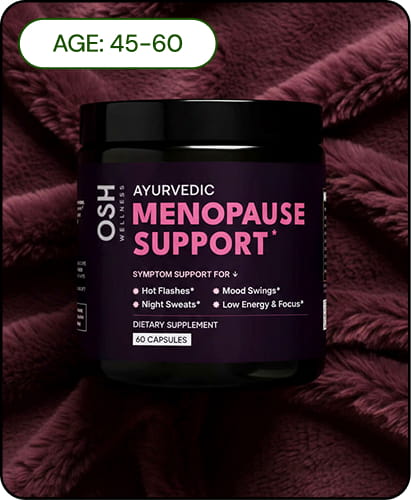
There is a growing selection of commercial menopause-support supplements leveraging these herbs. One example is Osh Wellness Menopause Support, which combines black cohosh, ashwagandha, and shatavari in clinically-informed dosages. Such products offer a convenient solution for those seeking natural relief from menopausal symptoms.
FAQs
Can black cohosh, ashwagandha, and shatavari be taken together safely?
Yes, many studies support their combined use, but consultation with a medical professional is advised.
Are there known interactions with medications?
Yes. Black cohosh and ashwagandha may interact with liver medications or sedatives. Always consult a healthcare provider.
How long does it take to see results?
Most users begin seeing improvements within 4–12 weeks.
What is the recommended dosage?
Dosages vary by product, but studies often use 100–600 mg per herb daily depending on standardization.
Are there any contraindications?
Women with hormone-sensitive conditions or liver disorders should avoid certain herbs unless under medical supervision.

Author: Shruti Mishra
Shruti is the founder of Osh Wellness. She is a certified nutritionist and a professional plant-based chef from Natural Gourmet Institute, NY. She has worked with Ayurveda, food & nutrition for over 15 years.
*These statements have not been evaluated by the Food and Drug Administration. Any product mentioned in the article is not intended to diagnose, treat, cure or prevent any disease. This article is not medical advice and is not meant for every situation. Every person's body is different and may respond differently to supplements, remedies, or treatments.
Sources
1: Taylor & Francis - Mechanisms of Action of Black Cohosh
2: ACP Journals - Black Cohosh Review
3: PMC - Black Cohosh and Menopausal Symptoms
4: American Academy of Family Physicians - Black Cohosh
5: Wiley Online Library - Ashwagandha on Climacteric Symptoms
6: Frontiers in Reproductive Health - Ashwagandha and Menopausal Symptoms
7: Nutritional Outlook - Ashwagandha for Post-Menopausal Women
8: Nutra Ingredients - Shatavari Clinical Trial
9: Frontiers in Reproductive Health - Shatavari in Menopause
10: PubMed - Shatavari and Hormonal Balance
11: PMC - Herbal Combinations for Menopause
12: Dr. Brighten - Best Herbs for Menopause
13: PMC - Clinical Trials of Ashwagandha and Shatavari
14: Healthline - Herbs That Balance Hormones
15: Healthline - Black Cohosh Overview
16: Myova Care - Shatavari and Women's Health