


Table of contents
As winter approaches, many individuals, particularly women aged 30-50, may experience an increase in constipation due to colder temperatures and the rise in Vata Dosha. This article explores the Ayurvedic understanding of constipation, emphasizing the importance of maintaining gut health during the colder months. We'll cover dietary changes, herbal remedies, and practical Ayurvedic tips to help you maintain a balanced and healthy digestive system throughout winter.
Understanding Constipation in Winter

Constipation can significantly disrupt daily life, especially in winter when colder temperatures naturally slow digestive processes. Understanding its causes, symptoms, and contributing seasonal factors is crucial for managing gut health effectively.
Constipation is defined as infrequent or difficult bowel movements, often resulting in dry and hard stools. During winter, the frequency of bowel movements tends to decrease, leading to discomfort. Common symptoms include:
Straining during defecation
Bloating and abdominal discomfort
Incomplete evacuation
Fatigue and reduced appetite
These symptoms create a cycle of malaise that can affect your overall well-being.
Several winter-specific factors can worsen constipation:
Decreased hydration: People often drink less water in cold weather, which can worsen stool dryness.
Sedentary lifestyles: Inactivity common during cold seasons reduces gut motility.
Dietary changes: Heavy, low-fiber meals are more frequent in winter, which can affect digestion.
Recognizing these changes early is essential. If symptoms persist beyond a few weeks or are accompanied by pain, seek medical advice to avoid complications such as hemorrhoids or bowel obstruction.
The Ayurvedic Perspective on Vata and Digestive Health
In Ayurveda, the Vata dosha, associated with movement and elimination, becomes particularly aggravated during winter due to its cold and dry qualities. When unbalanced, Vata may lead to irregular digestion (referred to as vishama agni), causing symptoms like gas, bloating, and constipation.
To maintain digestive harmony during the winter months, Ayurveda recommends:
Warm, oily, and grounding foods (e.g., cooked grains, root vegetables)
Dishes with sweet, sour, and salty flavors
Avoidance of cold, raw, or dry foods
Incorporating ghee and nourishing oils like sesame oil
Hydrating well with warm fluids
These strategies ensure your digestive fire (Agni) remains strong, promoting regularity and aiding overall gut health.
Dietary Strategies to Enhance Gut Health in Cold Months

Food is one of the most powerful tools for managing Vata-related issues like constipation. During winter, focus on eating meals that are warm, moist, and easy to digest.
Beneficial choices include:
Soups, stews, and grain-based dishes like kitchari and dals
Healthy fats such as ghee, known for lubricating the colon
Fermented options like yogurt and sauerkraut for gut flora
Spices that help aid digestion include ginger, black pepper, cumin, and coriander. These stimulate Agni and support nutrient absorption.
It's equally important to avoid gut-irritating foods during winter:
Cold drinks and raw salads
Processed sugar and refined carbohydrates
Excessive dairy and caffeine
Adopting Ayurvedic rituals like abhyanga (oil massage), consistent wake times, and light yoga can further boost digestion and circulation.
Herbal Solutions for Winter Constipation
Ayurveda offers several herbal remedies to support digestion and relieve constipation. One of the most effective is Triphala, a blend of three fruits: Amalaki, Bibhitaki, and Haritaki.
Triphala benefits include:
Promoting bowel movement regularity
Softening stool consistency
Balancing gut bacteria
Clinical studies affirm that Triphala improves stool frequency and reduces abdominal pain[1]. A standard dose involves mixing 1–2 teaspoons of Triphala powder in warm water before bedtime.
Additional herbs and spices include:
Ginger: Speeds up gastric emptying and eases bloating
Cumin: Carminative action to alleviate gas
These natural agents synergize to provide effective relief against winter-induced sluggish digestion.
Practical Ayurvedic Lifestyle Tips for Gut Health

Daily Ayurvedic practices can prevent constipation and enhance gut function by promoting warmth, moisture, and regularity, all of which pacify aggravated Vata.
Essential lifestyle habits include:
Drinking at least 80 oz of warm water daily, ideally before meals
Starting your day with ginger tea to stimulate digestion
Consuming seasonal and cooked produce like papaya, guava, and vegetables like spinach
Having warm porridge at night, made with milk or flaxseed
Ayurvedic herbs and teas can further support elimination:
Triphala or Triphala tea (with coriander and cardamom) is consumed twice daily
Haritaki for encouraging bowel movements
Licorice root powder taken with jaggery and warm water
Avoiding cold, dry, and processed foods can help ensure your Agni remains strong, protecting you from seasonal digestive issues.
Relevant Products
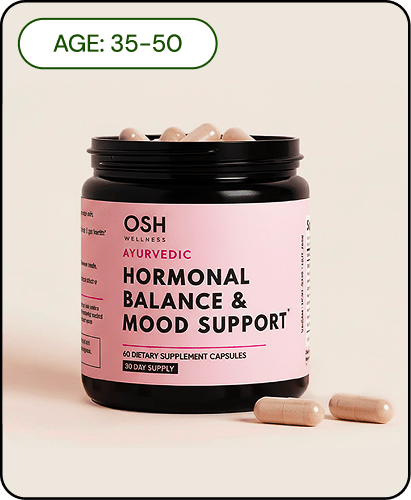
Explore natural supplements like Osh Wellness Hormone & Mood Support, which offer nutrients critical for gut function during winter. These formulations align with Ayurvedic philosophies to balance digestion and mood naturally.
Conclusions
Addressing winter constipation through Ayurvedic principles provides effective, natural solutions for maintaining digestive wellness. By understanding how seasonal changes amplify Vata dosha and adopting targeted diet, herbs, and lifestyle modifications, you can improve gut health significantly. Integrating these practices into your winter routine assures a more comfortable and vibrant season.
FAQs
What dietary changes can help with winter constipation?
Eat warm, cooked, and fiber-rich meals with healthy fats and digestive spices
Are there natural remedies that promote gut health?
Yes, Ayurvedic herbs like Triphala and spices like ginger are highly effective.
How can Ayurveda support holistic digestive care?
By using seasonal diet, bodywork, lifestyle routines, and herbal formulations to balance Vata.
When should I seek professional help for constipation?
If symptoms persist beyond two weeks or involve pain or blood, consult a physician.
What role does hydration play in maintaining gut health during winter?
Warm fluids help counteract Vata’s drying nature, promote motility, and support regular bowel movements.

Author: Shruti Mishra
Shruti is the founder of Osh Wellness. She is a certified nutritionist and a professional plant-based chef from Natural Gourmet Institute, NY. She has worked with Ayurveda, food & nutrition for over 15 years.
*These statements have not been evaluated by the Food and Drug Administration. Any product mentioned in the article is not intended to diagnose, treat, cure or prevent any disease. This article is not medical advice and is not meant for every situation. Every person's body is different and may respond differently to supplements, remedies, or treatments.