




Table of contents
As the winter chill sets in, many find themselves feeling cold, tired, and sluggish. These symptoms aren't just a seasonal nuisance; they often indicate that your metabolism may be struggling to adapt to the environment. This natural winter detox, Ayurvedic guide explores how to revitalize energy naturally in wintertime. By embracing Ayurvedic principles focused on enhancing Agni (digestive fire), this content provides targeted insights tailored for women aged 30-45, who frequently deal with hormonal imbalances that can worsen during the colder months.
Understanding the Need for a Natural Winter Detox

The onset of winter brings noticeable changes in our bodies, often resulting in feelings of sluggishness, bloating, and mental fog. According to Ayurveda, cold weather aggravates the Kapha dosha, which holds the qualities of cold, heaviness, and dampness. This can lower digestion, increase mucus buildup, and cause weight gain. To balance these effects, a gentle natural detox approach is recommended during winter, avoiding aggressive cleanses that may disturb equilibrium[1].
An Ayurvedic winter detox emphasizes a warming and nourishing diet, hydration, and mind-body practices. Some key dietary elements include:
Soups, kitchari, and steamed seasonal vegetables
Spices such as turmeric, cumin, ginger, and black pepper to stimulate digestion
Warm or hot water to assist detoxification and maintain internal heat
Additionally, daily practices like Abhyanga (Ayurvedic self-massage) help rejuvenate during winter. It improves lymphatic circulation, hydrates the skin, and supports gentle detoxification[2]. Abhyanga combined with gentle yoga or walking fosters a balanced energy flow, aligning the body’s natural rhythm with winter’s slower pace[3].
The Ayurvedic Perspective on Cold and Fatigue
In Ayurveda, fatigue during winter is linked to the increased influence of Vata and Kapha doshas. Vata brings cold, dryness, and instability. Kapha adds heaviness and dampness. This combination may manifest as restlessness, insomnia, sluggish digestion, and what Western medicine labels as "adrenal fatigue"[4].
As Vata rises, ojas, our essence of vitality, weaken. Concurrently, a suppressed Agni (digestive fire) impairs nutrient uptake and leads to accumulation of ama (toxins), further inducing fatigue[5]. Kapha’s dominance may result in unwanted weight gain and feelings of stagnation[6].
To restore balance, Ayurveda suggests:
Grounding foods like stews, root vegetables, and whole grains
Warming spices (ginger, cinnamon, cardamom)
Routine yoga and breathing exercises for mental clarity and resilience
These remedies not only reignite digestive fire but also restore emotional and hormonal balance, routing winter blues into vibrant well-being[7].
Dietary Strategies for a Winter Metabolism Boost

What you eat plays a central role in optimizing metabolism during winter. Ayurveda encourages the consumption of warm, oily, and spiced foods that stimulate Agni and align with Vata–Kapha seasonal tendencies.
Focus on the following dietary strategies:
Warming spices: ginger, black pepper, cinnamon, clove, cumin[8]
Taste balance: Favor sweet (root vegetables), sour (lemon, fermented foods), and salty flavors to ground Vata[9]
Healthy fats: Ghee and A2 cow dairy improve digestion and nourish tissues[10]
Seasonal grains: Jowar and bajra with leafy greens support Kapha metabolism[11]
Rather than strict fasts, Ayurveda advocates for gentle cleansing like sipping warm herbal teas, consuming khichdi once a day, and maintaining proper hydration. This approach helps maintain energy and avoids burnout caused by over-detoxification[9].
Harnessing the Power of Herbs for Winter Wellness
Herbs are a pillar of Ayurvedic winter protocols. Three potent allies in winter wellness include:
Pippali (Piper longum): Stimulates Agni, clears mucus and toxins, improves respiratory health, and supports immunity[12]
Ashwagandha: Boosts resilience, supports adrenal function, and nourishes dry winter-impaired tissues[13]
Amalaki (Amla): Packed with Vitamin C and antioxidants. Supports digestion, enhances immunity, and rejuvenates skin and eyes[14]
Incorporating these herbs via teas, powders, or Rasayanas (herbal jams) can significantly elevate winter energy levels. For example, Pippali Rasayana combines Pippali with honey for increased bioavailability.
Note: Pippali may exacerbate Pitta when overused, so consult an Ayurvedic practitioner before extended use.
Daily Routines That Rejuvenate Your Energy

Daily habits, known as Dinacharya, play a crucial role in sustaining vitality through the winter. One such practice is Abhyanga (oil massage), which offers numerous benefits:
Improves sleep quality by up to 28% according to clinical trials[15]
Reduces stress and promotes relaxation[16]
Protects skin from winter dryness, reducing foot cracks by 98% in one study[17]
Pair Abhyanga with gentle movement (yoga or walking) to circulate lymph, raise energy levels, and combat winter sluggishness. These practices create a nurturing rhythm, allowing your body and mind to adjust optimally to seasonal transitions.
Integrating Insights for Lasting Winter Health
Optimal winter health unfolds through a combination of diet, movement, light exposure, and emotional well-being. A common winter complaint among women aged 30–45 is disrupted mood and sleep. Low sunlight can disturb melatonin and serotonin levels, increasing the risk of fatigue and depression. Strategies for hormonal harmony include:
20 minutes of natural sunlight daily or using light therapy lamps[18]
Adequate sleep: 7–8 hours each night supports cortisol and melatonin cycles[19]
Anti-inflammatory nutrition: Omega-3 fats, greens, and reduced refined sugars[20]
Moderate exercise: 90–150 minutes weekly for stress and insulin balance[21]
Mindfulness and social connection: Boost emotional resilience and reduce isolation
By combining these holistic Ayurvedic practices, women can support both their physical and emotional health, ensuring the winter season becomes a time of reflection, energy, and internal harmony.
Relevant Products
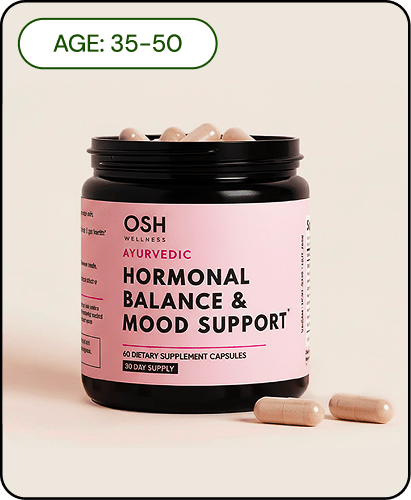
To support your Ayurvedic winter journey, consider incorporating Osh Wellness Hormone & Mood Support. This product helps balance hormones and metabolism during colder months, using natural ingredients aligned with Ayurvedic principles for whole-body support.
Conclusion
Embracing Ayurvedic practices in winter can deeply improve your metabolism, energy, and hormonal balance. Through nourishing diets, rejuvenating herbs, structured self-care routines, and supportive lifestyle changes, winter becomes a time to thrive rather than merely endure. Prioritize warmth, nourishment, and mindful stillness, and discover a powerful path to winter wellness.
FAQs
What are the best Ayurvedic practices for winter?
Warming diets, Abhyanga, yoga, and herbs like ginger, Pippali, and Ashwagandha.
How can I boost my metabolism naturally during winter?
Use warming spices, eat nourishing soups, stay hydrated with hot water, and engage in light movement daily.
Which herbs are most effective for combating winter fatigue?
Pippali, Ashwagandha, and Amalaki are highly effective for energy and immunity during winter.

Author: Shruti Mishra
Shruti is the founder of Osh Wellness. She is a certified nutritionist and a professional plant-based chef from Natural Gourmet Institute, NY. She has worked with Ayurveda, food & nutrition for over 15 years.
*These statements have not been evaluated by the Food and Drug Administration. Any product mentioned in the article is not intended to diagnose, treat, cure or prevent any disease. This article is not medical advice and is not meant for every situation. Every person's body is different and may respond differently to supplements, remedies, or treatments.
Sources
1: Himalaya - Detox During the Winter
2: One World Ayurveda - Ayurvedic Winter Guide
3: Swasthya Mayurved Clinic - Ayurveda's Guide to Seasonal Detox
4: Silicon Valley Ayurveda - Adrenal Fatigue in Ayurveda During the Colder Months
5: The Ayurvedic Clinic - Revitalizing Your Life
6: Adler Spa Resort Thermae - Surviving Winter with Ayurveda
7: Women's Health Network - Ayurvedic Self-Care Tips for Winter
8: Banyan Botanicals - Ayurvedic Winter Guide
9: The Ancient Ayurveda - The Ideal Winter Diet Ayurvedically
10: Saumya Ayurveda - Guidance for Wet Winter Regions
11: Indra Holistic - Ayurvedic Diet for Winter
12: Banyan Botanicals - Herbal Allies: Pippali
13: Matritva - Benefits of Pippali
15: Banyan Botanicals - Abhyanga Benefits Study
16: Journal of Alternative and Complementary Medicine - Abhyanga Study
17: Art of Living - Benefits of Abhyanga
18: Marion Gluck Clinic - Hormone Balance in Winter
19: Better Menopause - Winter Hormonal Wellness
20: VHR Illinois - Wellness & Hormones
21: Physical Therapy Spokane - Winter Wellness for Women