
Table of contents
Black Cohosh, a renowned herbal remedy, has gained popularity for its potential to alleviate menopausal symptoms such as hot flashes and night sweats. As women in their 50s and 60s seek natural alternatives to hormone replacement therapy, understanding the benefits, recommended dosages, and safety precautions associated with Black Cohosh is essential. This article explores the historical context, research-backed mechanisms, and practical guidance about its use, helping women make informed decisions during their menopause journey.
Understanding Black Cohosh and Its Historical Context

Black cohosh (*Actaea racemosa*), often referred to as "squaw root," has been used in herbal medicine for centuries, primarily for women's health. Native American communities traditionally used it for managing gynecological issues such as irregular menstruation and labor complications. Its uses also extended to treating rheumatism, fevers, and snakebites, highlighting its wide-ranging benefits1.
In the late 19th and early 20th centuries, black cohosh was adopted into Western medicine. Herbalists and eclectic physicians utilized it in formulations like Lydia Pinkham’s Vegetable Compound, aimed at treating female-related ailments2. This blend of Indigenous and Western practices speaks to its evolving role in health and wellness.
Modern use of black cohosh for menopause focuses on alleviating symptoms like hot flashes, night sweats, and vaginal dryness3. Its widespread use in Europe, supported by official health organizations for over 50 years, reflects the acceptance of its potential benefits. However, scientific findings are mixed; while some research suggests it can be as effective as hormone replacement therapy, clarity regarding its long-term efficacy is low.
The Mechanisms Behind Black Cohosh Efficacy

Black Cohosh appears to relieve menopausal symptoms through its triterpene glycosides, which affect the serotonergic system, not directly through estrogenic activity. These compounds influence serotonin receptors involved in regulating body temperature and mood, making Black Cohosh especially useful for vasomotor and psychiatric symptoms like hot flashes and mood swings¹.
Importantly, while Black Cohosh may mimic some estrogen effects, it does not significantly alter estrogen levels or stimulate estrogen receptors¹. This non-hormonal profile is especially advantageous for women with hormone-sensitive conditions. Some studies have also suggested that it possesses antioxidant and anti-inflammatory properties, supporting neurovegetative balance5.
Consistent use of Black Cohosh in clinical trials has shown a significant reduction in total menopausal symptom scores, reinforcing its role in modern, hormone-free integrative healthcare4.
Research Insights on Black Cohosh Benefits
Investigations into the efficacy of Black Cohosh demonstrate mixed but promising results. Clinical trials and meta-analyses show that this herbal remedy often provides modest reductions in vasomotor symptoms like hot flashes and improves overall mood. For example, an 8-week randomized study revealed a notable drop in Greene Climacteric Scale scores among users5.
A 2012 Cochrane review of 16 trials found a consistent benefit over placebo, though variability in methodologies and short study durations affect the certainty of these findings4. A network meta-analysis also supports its benefits, particularly in early menopause, albeit with modestly sized improvements6.
Research also confirms that Black Cohosh influences serotonin and mood regulation, rather than acting as a phytoestrogen7. Most users tolerate it well, especially in the short term, although long-term safety remains under-researched3.
Recommended Dosages of Black Cohosh

The most widely recommended dosage of Black Cohosh ranges from 40 to 80 mg per day of a standardized extract, divided into one or two doses. This regimen is commonly used in clinical settings and has shown efficacy over a span of four to six months.
Some research has tested doses as low as 8 mg and as high as 160 mg, although 40 mg/day remains the most supported standard4. For menopause support, studies recommend up to 600mg of the raw root equivalent, with an optimal dosage of 200-300mg when used in a blend. Black Cohosh is available in forms like capsules, tablets, tinctures, and teas. For tinctures, experts generally recommend 2 to 4 mL, up to three times daily8.
Prolonged use beyond six months is not advised due to potential liver risks for women with pre-existing liver conditions. Medical supervision is particularly important for those with hepatic issues or those taking other medications. Choosing lab-tested products helps ensure purity and consistent levels of active compounds9.
Safety Profile and Potential Side Effects of Black Cohosh
While generally safe for use, Black Cohosh is associated with mild side effects, including:
Gastrointestinal discomfort (nausea, cramping, diarrhea)
Headaches and dizziness
Skin rashes and fatigue10
More serious, though rare, complications involve liver toxicity. Documented cases of acute hepatitis and liver failure prompt caution. Symptoms like jaundice, upper abdominal pain, or dark urine require immediate medical evaluation10,11.
Individuals who should avoid Black Cohosh include:
Pregnant or lactating women
Patients with liver disease, hormone-sensitive cancers, endometriosis, or history of stroke
Those on liver-metabolized or serotonergic medications3,12
Given potential drug-herb interactions, notably with SSRIs, hepatotoxic medications, or certain cancer treatments, prior consultation with a healthcare provider is strongly advised12.
Integrating Black Cohosh into a Menopausal Management Plan
For optimal results, Black Cohosh should be used as part of a broader menopause wellness strategy that includes:
Balanced diet: Emphasize fruits, vegetables, whole grains, and lean proteins to stabilize weight and support hormonal balance14.
Regular exercise: Aerobic and resistance training help reduce hot flashes and improve mood, bone health, and cardiovascular fitness13.
Monitoring response through a symptom diary or validated menopause scoring tools allows for timely treatment adjustments. Open communication with healthcare providers further ensures a safe and personalized approach3.
Relevant Products
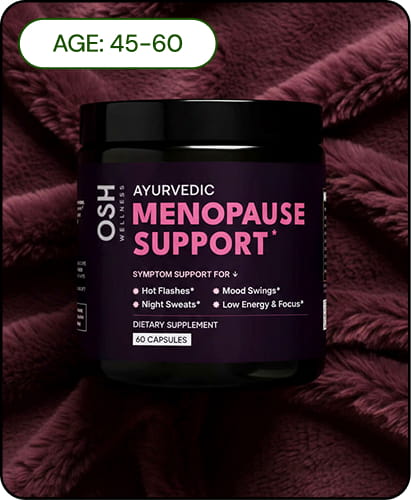
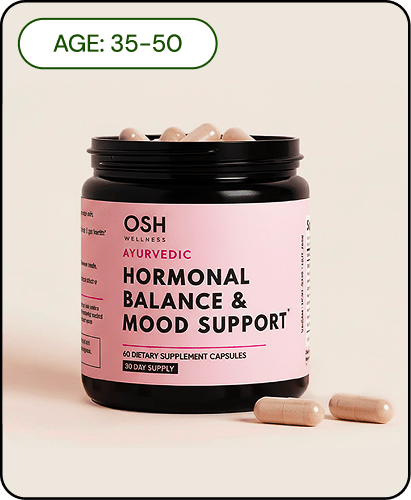
There is a growing selection of commercial menopause-support supplements leveraging these herbs. One example is Osh Wellness Menopause Support, which combines black cohosh, ashwagandha, and shatavari in clinically-informed dosages. Such products offer a convenient solution for those seeking natural relief from menopausal symptoms.
Conclusions
Black Cohosh offers a compelling, non-hormonal option for relieving menopausal symptoms. With a reputation grounded in both history and emerging science, it serves as a therapeutic option for women seeking alternatives to hormone replacement therapy. While beneficial for short-term use, consultation with healthcare providers is essential to assess individual suitability and safety. As research evolves, Black Cohosh continues to establish its relevance in women's integrative health care.
FAQs
What is the best way to take Black Cohosh?
Standardized capsules (40 mg daily) are most commonly used, though tinctures and teas are also available.
Can I use Black Cohosh alongside other medications?
Consult a healthcare provider, especially if you're on liver-metabolized or serotonergic drugs.
Are there any long-term effects of using Black Cohosh?
Long-term safety is under-researched; use is generally recommended for no longer than six months.
How quickly can I expect results from Black Cohosh?
Most users report symptom relief within 4 to 8 weeks of regular use.
Is Black Cohosh suitable for women with no prior health issues?
Generally, yes, but always consult a healthcare provider for personalized advice.

Author: Shruti Mishra
Shruti is the founder of Osh Wellness. She is a certified nutritionist and a professional plant-based chef from Natural Gourmet Institute, NY. She has worked with Ayurveda, food & nutrition for over 15 years.
*These statements have not been evaluated by the Food and Drug Administration. Any product mentioned in the article is not intended to diagnose, treat, cure or prevent any disease. This article is not medical advice and is not meant for every situation. Every person's body is different and may respond differently to supplements, remedies, or treatments.
Sources
1: National Institutes of Health - Black Cohosh: A Review
2: National Cancer Institute - Black Cohosh
3: NIH - Black Cohosh: Health Professional Fact Sheet
4: American Family Physician - Use of Black Cohosh in Menopausal Symptom Relief
5: PMC - Clinical Benefits of Black Cohosh
6: JAMA - Effect of Black Cohosh on Hot Flashes in Postmenopausal Women
7: ClinicalTrials.gov - Black Cohosh and Menopausal Symptoms
8: Consensus - Black Cohosh Root Dosage for Menopause Symptoms
9: Cleveland Clinic - What is Black Cohosh?